Category: Blog
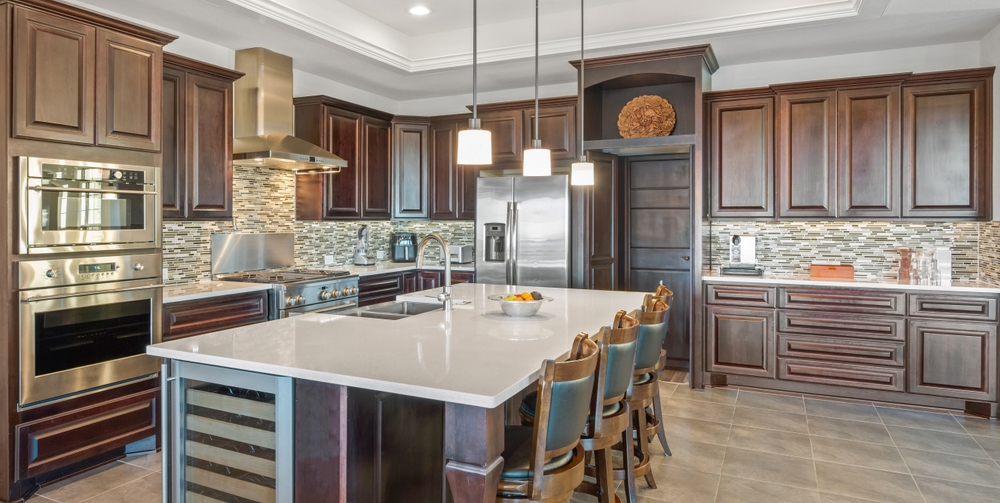
7 Tips for Brightening Your Kitchen
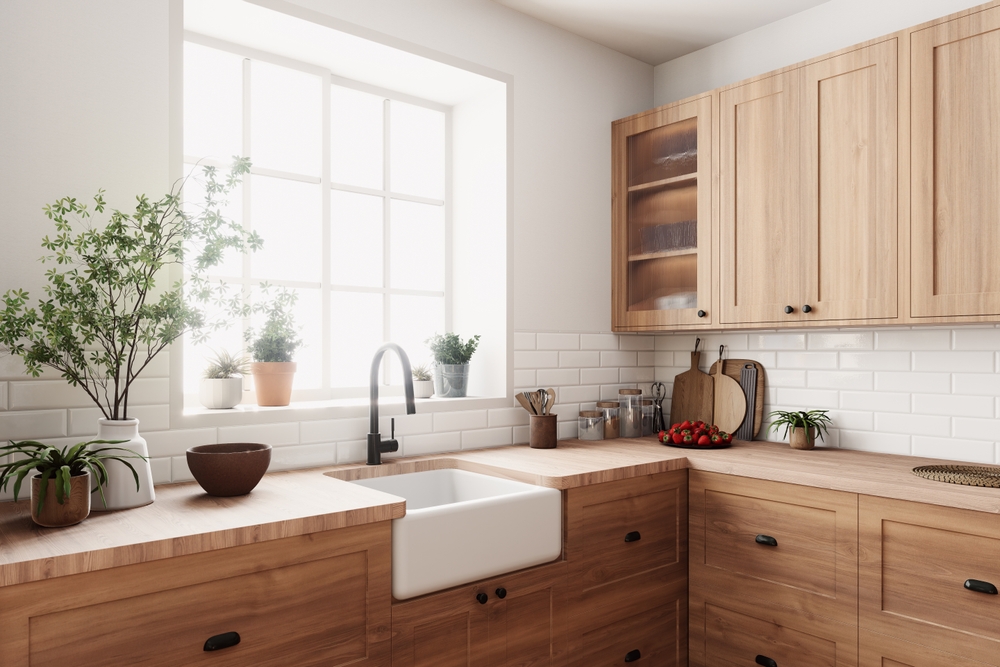
6 Ways to Modernize a Historic Home’s Kitchen
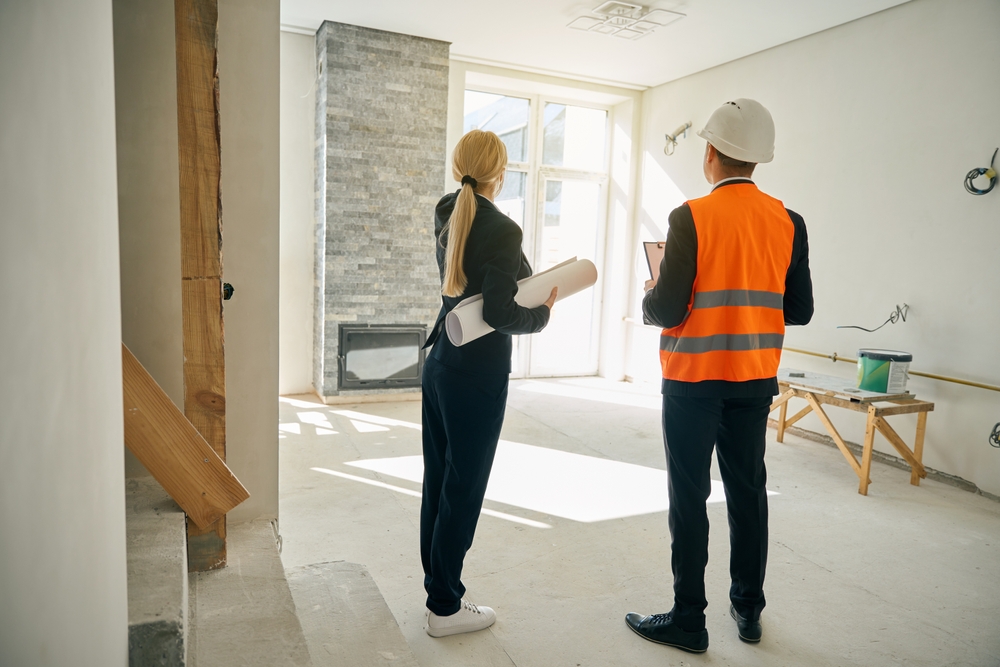
Top 5 Kitchen Remodeling Trends in 2025
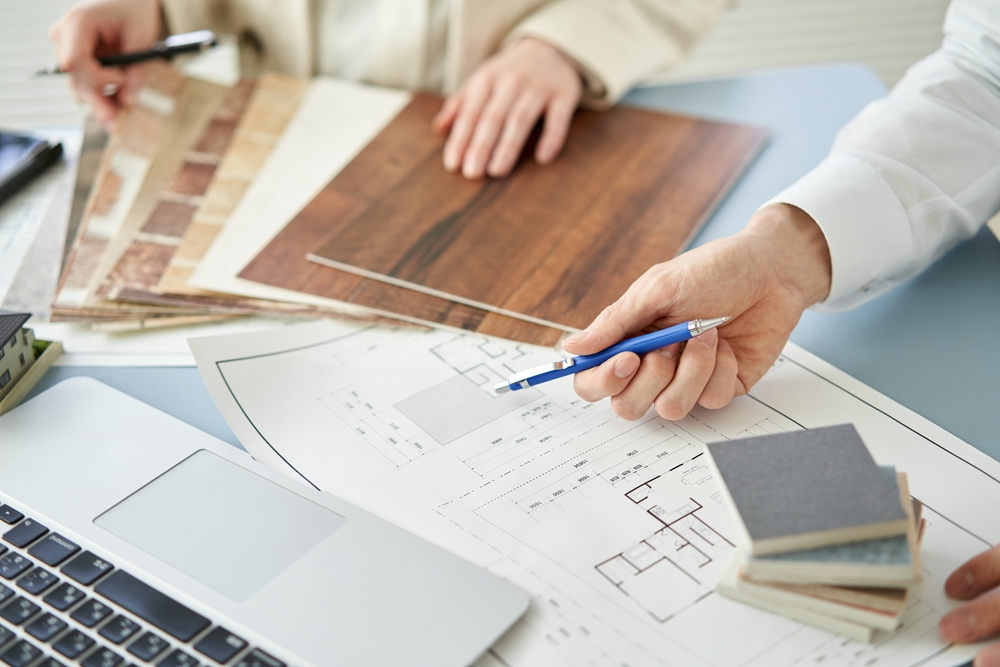
Custom Home Remodeling Timeline
- Every remodel follows stages, but exact timelines vary by scope and complexity.
- The design and planning phase often takes the most time to get right.
- Permits and inspections can add weeks depending on local requirements.
- Structural work and rough-ins usually extend the schedule due to coordination.
- Finishes and final walkthroughs complete the process, ensuring quality results.
Every renovation comes with a sense of excitement, but one of the first questions homeowners ask is how long the process will take. With custom home remodeling in Wellesley, MA, the answer depends on many factors, including the size of the project, the complexity of the design, and the level of customization you choose.
Having a clear idea of the timeline upfront helps you plan more effectively and avoid frustration along the way. Each stage plays an important role in the overall schedule, and this guide outlines what you can expect so your remodel stays on track from start to finish. Read on!

How long does a custom remodel really take?
While every remodel is unique, most projects follow a predictable sequence of stages. Exact timing will always depend on factors like the size of your home, material availability, and the scope of customization. Instead of fixed deadlines, think of these as general phases that guide the flow of your project and help set realistic expectations.
1. Design and planning
This stage lays the foundation for your entire remodel. It includes initial consultations, developing design concepts, and finalizing layouts. Depending on the complexity of your vision, planning can take anywhere from a few weeks to several months. Clear communication with your design-build team during this phase ensures fewer revisions later, which helps keep the project moving.
2. Permits and approvals
Before construction begins, most remodels require permits to comply with local building codes. This stage can be straightforward or time-consuming, depending on your municipality and the scope of your project. Some permits are issued in a matter of days, while others take weeks. Building this step into your timeline prevents frustrating delays once construction is underway.
3. Demolition and site prep
Once approvals are in place, the physical work begins with demolition. Old cabinetry, fixtures, or walls are carefully removed, and the space is prepped for new construction. The duration of this step depends on how extensive the remodel is. Removing a bathroom is far quicker than gutting an entire room or opening up walls to create an open floor plan. Proper prep also includes protecting other areas of your home from dust and debris, which keeps the process safer and cleaner.
4. Structural work and rough-ins
This is the stage where the bones of your remodel take shape. It may involve framing new walls, updating plumbing and electrical systems, or reinforcing structures for additions. Because this phase often requires inspections at different milestones, it can be one of the longer steps in the process. Timelines vary, but careful coordination between trades is what keeps progress steady.
5. Installation and finishes
With the framework in place, attention shifts to visible features such as cabinetry, flooring, countertops, and lighting. These are the details that bring your design vision to life. Material availability often influences how long this stage takes, especially if you’ve chosen custom or imported finishes. Your remodeling team will typically schedule installations in sequence to minimize downtime between trades.
6. Final touches and walkthrough
The last phase is all about detail work. Touch-up painting, trim, hardware, and final cleaning prepare your space for everyday living. Once everything is complete, a walkthrough with your contractor ensures the project meets your expectations and allows you to note any adjustments. This final stage may only take a few days, but it’s a crucial step in delivering a polished result.

What is the best company for custom home remodeling near me in Wellesley, MA?
Remodeling a home is a big investment, and having the right team makes the process far smoother. We work closely with clients to set realistic home remodeling budgets, map out timelines, and adjust along the way if unexpected challenges arise. From kitchens and baths to whole-home transformations, our goal is to keep your project moving efficiently while staying true to your vision.
If you’re also considering smart home upgrades in the Greater Boston metropolitan area, Northeast Kitchen Remodel & Design Build can seamlessly integrate them into your project so your new space is both modern and future-ready. With our support, you’ll enjoy a process that feels organized and transparent from start to finish.
Remodeling Without Surprises: The Ultimate Budgeting Guide
- Defining your remodeling goals upfront helps shape a realistic budget.
- Researching typical project costs gives you a solid starting point.
- Professional design fees, permits, and inspections should always be included.
- Choosing where to splurge and where to save makes your budget flexible.
- A contingency fund protects you from unexpected expenses during the remodel.
Every homeowner dreams of transforming their space into something that feels both fresh and timeless, but managing the financial side of a remodel is often the most overwhelming part. Whether it’s a kitchen update, bathroom redesign, or full-scale custom home remodels in Wellesley, MA, careful budgeting ensures that your vision doesn’t get derailed by unexpected costs.
Without a clear plan, it’s easy to overspend, cut corners, or delay the project. In the following guide, we’ll walk you through the essentials of remodeling budgets, helping you anticipate expenses, prioritize your investments, and keep your project moving forward.

How do I determine a budget for a custom remodel?
Before you start choosing layouts or finishes, it’s smart to outline the financial framework of your project. A clear budget keeps your custom design goals realistic and achievable. Here are seven key steps to help you plan with confidence and avoid costly surprises.
Step 1: Define your remodeling goals
The first step in setting a budget is understanding exactly what you want to achieve. Are you updating a single bathroom or reimagining your space with an open floor plan, or tackling a full-scale home transformation? Each scope of work carries different cost ranges, so clarity at the start helps you avoid overspending later. Write down your must-haves and your nice-to-haves. These lists will become crucial when balancing design aspirations against financial realities.
Step 2: Research typical cost ranges
Once you know your goals, research what projects like yours generally cost in your area. Kitchen remodels, for instance, often vary widely depending on layout changes or custom cabinetry. Bathrooms can range from modest upgrades to spa-like retreats with luxury finishes. Looking at regional averages, talking with contractors, or reviewing cost reports provides a realistic baseline before you commit to specific numbers.
Step 3: Factor in design and professional fees
Budgeting isn’t just about materials and labor. Professional design services, permits, and inspections all come with costs that should be included from the start. If you’re working with a design-build firm, much of this is integrated into the overall proposal, but it’s still worth asking for a clear breakdown. Skipping these line items can lead to surprises mid-project, so treat them as essential components of your budget rather than extras.
Step 4: Choose materials and finishes wisely
Your material selections play one of the biggest roles in shaping your final costs. Custom cabinetry, imported tile, or high-end fixtures can elevate the design but also increase your budget significantly. On the other hand, durable mid-range options often deliver style and performance without the premium price tag. It helps to prioritize where you want to splurge, perhaps on countertops or statement lighting, and where you’re comfortable saving.
Step 5: Plan for labor costs
Labor is typically the largest portion of any remodeling budget. Experienced contractors bring craftsmanship and reliability, and those qualities come at a fair cost. Rates can vary depending on project complexity, the time required, and even seasonal demand. Requesting detailed estimates from your contractor ensures you understand how labor contributes to your total investment, and it helps you compare bids on equal footing.
Step 6: Don’t forget permits and inspections
Permitting may not be the most exciting part of remodeling, but it’s necessary to ensure your project complies with local codes and safety standards. Permit costs can vary by municipality and project scope, but they should never be an afterthought. Including them in your budget early on keeps your remodel compliant and avoids costly delays if an inspector requires changes after the work has begun.
Step 7: Add a contingency fund
Even with the most careful planning, unexpected expenses can arise. A hidden plumbing issue behind the wall or structural repair needed in an older home can add to your costs. Setting aside 10–20% of your total budget as a contingency fund gives you breathing room to address surprises without halting progress or sacrificing your design plans.

Who are the go-to experts for custom home remodels near me in Wellesley, MA?
At Northeast Kitchen Remodel & Design Build, we know that a successful remodel in Wellesley begins with clarity. That’s why we focus on creating budgets that reflect your vision while keeping costs predictable. From the first consultation to the final walk-through, we provide a transparent timeline so you know exactly how long your project will take, eliminating the stress of unexpected delays or hidden costs.
Whether you’re expanding a kitchen or integrating smart home features that make life easier and more enjoyable, our solutions bring both comfort and long-term value. Schedule a consultation today!
Open vs. Closed: Which Floor Plan is Right for Your Remodel?
- Open and closed floor plans offer benefits to different lifestyles
- Embrace the spaciousness of open homes or the privacy of traditional floor plans
- Modern home office routines make traditional designs relevant even today
- Open concept layouts bring social interactions to a new level
- With hybrid designs, you can enjoy the best of both worlds
When it’s time to design your dream home, one of the questions that is commonly asked is whether closed or open floor plans work better. Each layout concept has unique advantages and disadvantages to be considered. With the help of the experts in the whole home remodeling in Wellesley, we’ll take a journey through both open and closed floor plans and explore their benefits and their flaws.
Is an open or closed floor plan better?

Anyone on the journey to upgrade their living space is facing plenty of questions ahead, from how to properly budget custom remodeling to how long remodeling would take. However, choosing a floor plan comes with another consideration. It’s permanent, most likely. Surely, things can change with some hammering and drilling, but that’s probably double the investment. To make this decision, we need a good understanding of each concept and what it entails first. Let’s explore the pros and cons.
What are the advantages of an open floor plan?
Open concept floor plans are becoming more and more popular lately and may have a higher resale value, and that’s for a very good reason. This layout brings out unique advantages that a traditional home lacks and creates a combined space with seamless movement in your home.
- Natural light: Your home will feel more inviting and natural thanks to increased daylight. Also, it’s a convenient way to save up on energy consumption.
- Spaciousness: Open floor designs can really make your living space feel expansive and facilitate seamless movement.
- Children supervision: The spacious nature and connectivity of open floor plans are ideal for parents to keep an eye on their children, like watching them in the living room from the kitchen.
- Social interactions: Open-concept is great for families that wish to spend more time together or for hosting guests.
- Better airflow: Spacious open-concept homes have better airflow, which can be more comfortable.
What are the advantages of a closed floor plan?
At the same time, traditional floor plans have their own set of benefits that are still relevant even in the modern age. Let’s take a look at the iconic set of features where closed floor plans can outshine modern open-concept designs.
- Noise and privacy: This design works best for individuals who value privacy and wish to restrict noise coming from different rooms. Ideal for modern home-office lifestyles.
- More wall space: For those of us who enjoy decorating, there is simply more space to place that nice-looking furniture or hang that favorite artwork.
- Temperature regulation: Smaller confined spaces are generally easier to cool or warm up in various seasons. If you are conscious about energy conservation, this is ideal for you.
- Multi-generation living: Traditional closed floor plans are excellent for large families with independent schedules and lifestyles.
- Diverse room ambience: Another key feature is customizable rooms with different themes and purposes. Whether it’s just simply different lighting or entirely specific functions.
Hybrid floor plans
Thankfully, there are no rules that force you to choose and stick to one philosophy. As many would tell you, it’s entirely possible to strike a balance between the two with some careful planning, and finding that sweet spot between an entirely spacious home and privacy that traditional floor plans offer. The best floor layout is the one that works best for you and your family to feel comfortable in.
Who provides trusted whole home remodeling in Wellesley, MA & beyond?

At Northeast Kitchen Remodel & Design Build, we are trained, equipped and experienced to bring your dream floor layout to life. For numerous years, we have proudly served the community in Wellesley with precision in our work, a customer-focused approach and consistent dedication to the quality of our service. Whether you live somewhere close to Wellesley College or further away, you can count on our expertise. From remodeling your home with modern, smart upgrades to other home remodeling you may need. Reach out today!
4 Smart Home Upgrades to Include in Your Whole-House Remodel
- More and more living spaces are built with integrated smart features
- Cutting-edge security systems will ensure real-time monitoring and protection
- Smart temperature regulation is ideal for energy conservation and comfort
- Control your home remotely with a plethora of smart appliances
- From smart lighting to streaming devices, your comfort is at your fingertips.
Smart technology has progressed exponentially in recent years. A decade ago, you might have dismissed it as a passing trend, but the truth is that a large number of newly built living spaces come with smart systems already in place. With more and more homeowners opting to integrate smart systems into their homes, I think we can say without a doubt that these features are here to stay.
And that’s for a very good reason. With the march of technology progressing ever onwards, smart upgrades are becoming more reliable, streamlined, and most of all, efficient. Let’s explore ways to integrate these into your planned whole-house remodel in Wellesley, MA and get ideas for different smart features you could choose.
How to convert your home into a smart house?

Even if your home was built before the onset of smart technology, there are ways to integrate these systems seamlessly into your living space. Whether you opt for an open or closed floor layout, you can rest easy knowing that these installations can fit in any home plan.
To start with, consider some careful budget calculations and incorporating the installation process in your custom home remodeling timeline, and the whole process can be effortless and smooth. Then, consider what your needs are, and plan your upgrades accordingly. Without further ado, let’s get into the meat of things and discover some smart systems you can equip your home with today.
How do I make my existing home smart?
There are plenty of Internet-connected systems you can integrate into your existing home, even if it was built before the onset of smart technology. Certainly, there might be some challenges when it comes to installations, but with professional and licensed contractors on your side, you would be surprised at what is possible to achieve.
1. Smart security systems
When it comes to homeowning, security is one of the most considered questions. This is where smart upgrades truly outshine older security methods. With real-time monitoring, identifying motion, and video footage, technology has certainly gone a long way:
- Smart keylocks: Keyless entry, remote locking, and guest access codes are a great way to stay on top of your front door security.
- Front door cameras: Thanks to motion alerts, you can see who’s at your door from anywhere, and even speak to them.
- Smart alarm systems: Customizable motion-sensor security alarms you can control over apps and be notified of potential intruders.
- Security cameras: Indoor and outdoor surveillance at all times, with cloud storage that lets you roll the footage back to specific time tables.
2. Smart temperature regulation
Smart heating and cooling systems not only provide remote control over your phone, but they also adjust accordingly to your needs and habits, local weather conditions, and occupancy. The key benefits of smart heating are that it’s a great way to conserve energy and consistently keep up with your comfort needs.
3. Smart appliances
With smart appliances in your household, your washing machine can notify you when the load is done. Additionally, smart ovens can be preheated remotely as you get back home from work, and robot vacuums can be scheduled to clean on their own. Whether you control them with a voice assistant or remotely with your phone, you can have your whole home at your fingertips.
4. Smart comfort and entertainment
Other than practical convenience, smart systems are great for comfort and entertainment. Here are some quality-of-life upgrades to consider:
- Smart ceiling fans: Automatically adjusted speed depending on occupancy and indoor temperature.
- Controlled home lighting: Adjustable brightness and scheduling. From voice-activated lightbulbs to motion sensor detection, smart lighting is highly convenient, especially for safe aging in place.
- Automated blinds and curtains: Smart blinds and curtains can be scheduled to open in the morning or close at night.
- Whole-home audio: Stream your favorite music across your entire living space, or zone each room differently.
- Smart TVs & streaming devices: Control your entertainment with voice or phone devices from anywhere, when watching movies or browsing the internet.
Who to contact for a dependable whole-house remodel in Wellesley, MA & nearby?

If you are looking for personalized, custom-tailored home remodeling services, Northeast Kitchen Remodel & Design Build is your one-step solution. Our experience, dedication to quality, and knowledge are at the disposal of homeowners all across Wellesley, whether your home is located close to Babson College or in neighborhoods further away. Our team of contractors is ready to help you bring your vision to life with precision and reliability industry-grade professionalism. Reach out today!
How to Find the Perfect Spot for Your Room Addition
- The purpose of the additional space should be clearly defined
- Local building codes and regulations must be followed
- Build with already existing structural integrity in mind
- Convenient location for plumbing, electrical, and HVAC systems
- Expand horizontally or vertically for different outcomes
Homeowners are increasingly finding themselves in demand of room additions in Wellesley, MA. Whether you want to add a master bedroom or a home office, a newly built room is an excellent way to increase the available space in your home and boost property value.
Since a new room enhances your home’s square footage, one of the most important things to consider is the location. Structural integrity and maximizing daylight are all key factors to keep in mind, as well as plumbing and electrical systems. In this article, we’ll guide you through the process of picking an ideal location for the extra space you need. Read on!
Where do I start if I want to add on to my house?
If you seek to improve your home with additional space, the most important thing to think about is the location. A whole newly built-upon room can take up considerable area, which requires careful planning and evaluation of existing structural integrity and property layout.
Different rooms have different location-related questions. For instance, a new master bedroom and an additional kitchen may have entirely different positioning requirements. If you’re unsure how to get started, consulting with professionals in home additions is always a good idea. With the list below, you can familiarize yourself with the process to help your vision come to life.

1. Define the purpose of your addition
Naturally, the first step is to decide on the purpose of your addition. The intended use can greatly affect the placement. A sunroom may benefit from being placed where you can easily maximize daylight, while a home office is best placed somewhere secluded and quiet.
2. Evaluate your property layout
Another key factor to consider when making an addition to your home is the general property layout. Whether you plan to build horizontal or vertical, structural integrity and already existing structures should be carefully reviewed. Expanding your first floor may require additional work on foundations and decks.
3. Check local building codes & permits
When you choose your ideal spot for a new room, local rules and regulations have to be examined. With the help of an experienced contractor, you could find out what height restrictions, HOA rules, and setback limits apply to your area.
4. Consider access and flow
Any expansion of your house should be aligned with an already existing design. A few things to consider are whether your new space connects smoothly with the rest of your house, or does it disrupts other spaces. Privacy and convenience are also important, especially if your new addition is a master bedroom or a living space you wish to connect to the exterior.
5. Think about utilities & infrastructure
Placing near an already existing bathroom or kitchen is an excellent way to make plumbing, electrical, or HVAC connections easier. Building on top of an existing floor is also a great way to keep your utilities connected and eliminates the need for horizontal structural expansion like foundations.
6. Assess sunlight and views
Outside view and natural light can greatly enhance the atmosphere of your new room. It is also recommended to build with existing windows in mind, in order not to block sunlight in your interior.
7. Consult a professional
On top of evaluations, you can take care of yourself, and consulting with professionals in home expansion is always a good idea. Experienced contractors can take a look at your home on site and go through your vision with you, and offer essential insight in choosing what location may work best. 
Who builds high-quality room additions in Wellesley, MA?
At Northeast Kitchen Remodel & Design Build, we can help you achieve your goal of creating additional space for your home in Wellesley. Whether you need an expanded master bedroom or a living space for your elderly to age in comfort, we bring award-winning quality to every project we undertake.
No matter if you are close to the Wellesley Hills Branch Library or other communities nearby, we are one call away from using our expertise to bring your vision to life. Call us today, and enjoy your brand new space for your home!
8 Ways to Expand Your Home to Age-in-Place Comfortably
- Single-floor living for ease of mobility
- Widened doorways for movement aid
- Sensor motion lighting for vision changes
- Hazard-free bathrooms and kitchen upgrades
- Open navigable rooms free of clutter
As we grow older, our habits and needs evolve with us. Aging is a natural, ongoing process that happens before we even notice it, and the changes it brings sometimes require a more comfortable, safe home. Adapting our lifestyle to growing old should not mean we have to compromise quality or give up on what makes us happy.
With our team specializing in home additions in Wellesley, MA, your home can be turned into a retirement haven for you to enjoy. Whether you are considering remodeling a house for yourself or wish to create a pleasant and secure environment for your elderly, there are ways to adjust your home with age-appropriate design. Read on to learn more.
What is the best home design for aging in place?
Designing your home for aging in place is a worthy investment to consider. While it may require a lot of planning and reviewing of the already existing layout of your home, it is certainly beneficial long term. Here are 8 ways to include more aging-in-place features in a home: 
1. Plan for single-level living
An ideal solution for comfortable aging in place is to have your bedroom, kitchen, bathroom, and laundry on the same level, preferably on the first floor. Having it all connected greatly increases convenience for the elderly and requires less effort for daily tasks. If you feel your existing home space is limited, consider expanding it with options such as an additional master bedroom.
2. Widen doorways and hallways
Narrow doorways and tight hallways can be difficult, if not outright impossible, to navigate with mobility aids. Enlarged hallways and doorways to accommodate walkers and wheelchairs are a great way to make your home safe, accessible, and comfortable..
3. Minimize or eliminate stairs
Stairways can be difficult to ascend or descend when we are older. Gentle, ramped entrances and sturdy railings, or well-lit staircases if multi-floor living is unavoidable, can prevent a lot of accidents from happening.
4. Open navigable spaces
A home that’s easy to navigate is essential as vision, mobility, and balance change with age. Open, clutter-free spaces allow a free and safe movement through your home and reduce fall risk, as well as leave enough room for mobility aids like walkers and wheelchairs.
5. Add a comfortable living space
If your existing home is limited, consider the option of additional rooms to increase your space and integrate additional kitchens or bathrooms, or perhaps a master bedroom for a comfortable multi-generational living experience. Whether building up or expanding horizontally, new space is always convenient.
6. Update bathrooms and kitchen for accessibility
Bathrooms are the most important part of your home, but as we age, they can become hazardous if not designed properly. Durable hand bars, walk-in showers, and slip-resistant flooring are paramount to a safe retirement at home. The same applies to kitchens, specially designed cabinets and voice-activated faucets that make routine tasks easier can be a great addition.
7. Improve lighting
Lighting is essential, especially as our vision changes as we age. Motion sensor lighting is an excellent solution for illuminating your area with minimal effort, while rooms with larger windows allow for maximum daylight intake. Carefully design your electrical lighting with your retirement needs in mind.
8. Consult professionals
Before you plan to renovate your home with the elderly in mind, consulting professionals should go without saying. Experience in renovation and room expansion can greatly enhance your vision for your home and offer valuable insight into the project you are undertaking. 
Who builds high-quality home additions in Wellesley, MA?
With Northeast Kitchen Remodel & Design Build, your property can be transformed into an ideal aging-in-place dwelling in Wellesley. With our team of accredited and awarded professionals, we can help with your project and offer premium solutions.
Whether you are close to the Davis Museum or live in any community nearby, your home can be renovated with beneficial upgrades to ease your aging and make daily activities effortless. From improved lighting to entirely new rooms added to your home, our services are just one quick call away!