How to Choose the Right Roofline for Your Room Addition
Expanding your home is exciting, but making it look seamless is where the real challenge lies. One of the most overlooked but critical elements in successful home additions in Narragansett, RI, is the roofline. Get this wrong, and your addition can end up looking like an afterthought. Get it right, and you’ll create a smooth architectural transition that enhances curb appeal and increases long-term value. In this article, we’ll break down how to pick the best roofline for your addition, whether you’re bumping out, building up, or expanding your footprint in a totally new direction.
What kind of roofline is best for a home addition?
There’s no one-size-fits-all answer when it comes to choosing a roofline. Your home’s existing architecture, local weather, budget, and the purpose of your addition all factor into the decision. But understanding the most common roof styles (and what each one offers) can help you make a confident, well-informed choice that blends both form and function.
Gable roof
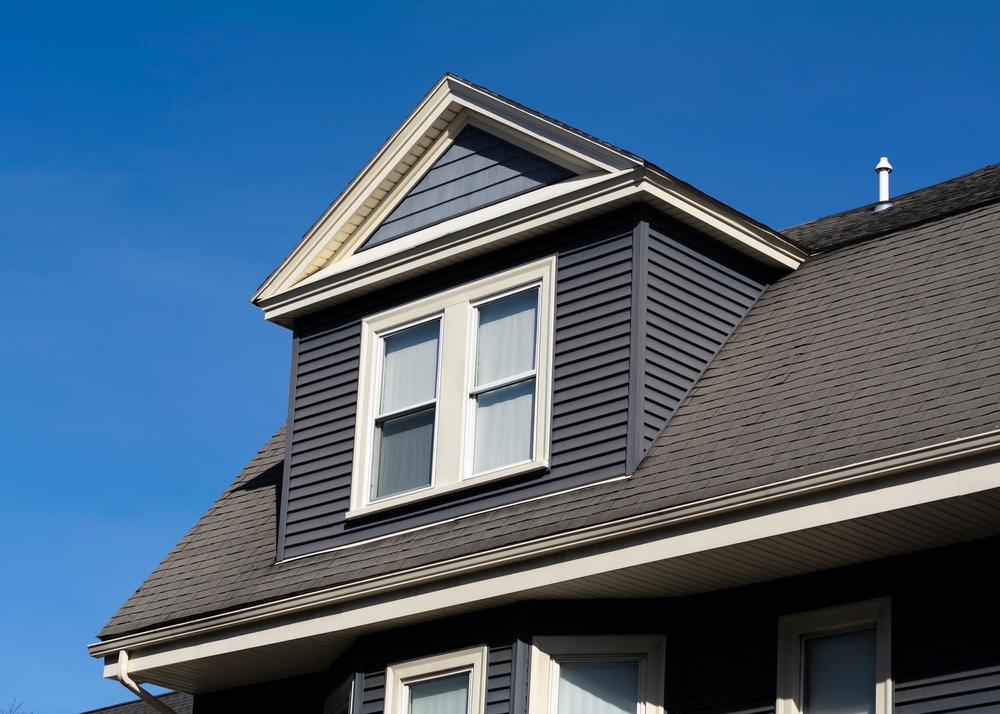
The gable roof is a classic choice for many home additions, offering two sloping sides that meet at a peak. It’s especially popular because it integrates well with a variety of architectural styles and provides excellent water drainage. If you’re looking to add attic space or prefer the look of vaulted ceilings, this design allows for that kind of interior volume. It’s also one of the easier styles to construct, making it a cost-effective option for many homeowners.
Shed roof
With a single slope that angles in one direction, the shed roof is a favorite for modern and minimalist additions. It works well when you need to keep the roofline lower, such as when extending a one-story home or preserving existing second-story views. Shed roofs are relatively simple to build and can be designed to maximize natural light with high windows. They’re also ideal for bump-outs or narrow additions where a traditional pitch might not work.
Hip Roof
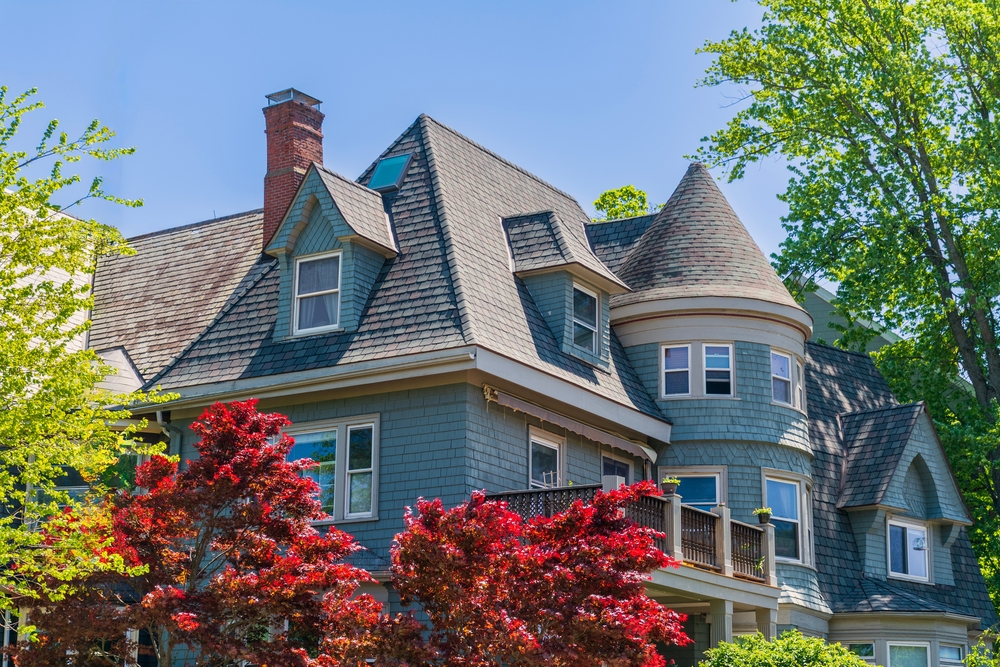
The hip roof features slopes on all four sides, making it highly durable and more resistant to wind damage, an especially smart pick for coastal or hurricane-prone areas. Its symmetrical appearance brings a more finished and upscale look to your addition, though it can require more complex framing. That added complexity usually comes with a higher price tag, but the visual payoff is often worth it. This roofline is also more structurally stable, which can help with long-term performance.
Flat roof
Flat roofs lend themselves well to contemporary homes and urban settings. They’re often chosen when the goal is to create a rooftop deck, garden, or even additional outdoor living space. While they appear simple, flat roofs require careful drainage planning and routine maintenance to avoid water pooling. They’re best suited for dry or mild climates unless you’re prepared to invest in advanced waterproofing systems.
Matching the existing roofline
Sometimes the best roofline is the one your house already has. Continuing the existing roof design ensures a cohesive, unified look that often enhances resale value. This approach can also simplify the planning and permitting process, since you’re not introducing a drastically different shape. Whether your home features a gable, hip, or another style, mirroring it in your addition keeps the architecture balanced and intentional.
What company does the best home additions near me in Narragansett, RI?
Whether you’re planning a full second-story addition or a simple bump-out for a mudroom for your home near the Narragansett Pier, getting the roofline right makes all the difference. At Northeast Kitchen Remodel & Design Build, we help homeowners bring thoughtful, functional spaces to life that look like they’ve always belonged.
From expanding square footage to finding smart ways to preserve natural light, every addition we design is tailored to the way you actually live. If you’re ready to create something that blends seamlessly into your home, we’re here to help make it happen.